begin or resume off-road motorcycling? Tips and destinations

Riding a motorcycle is already choosing a form of freedom. But to leave the asphalt and take to the road, track or trail is to cross a new threshold. One that, for many motorcyclists, seems reserved for experts or specialized machines. And yet, it's nothing of the sort. Accessible off-road, or what is often called "rolling road", is within everyone's reach - provided they understand the basics and choose the right terrain.
This guide from Hellenic Rides gives you the keys to daring to go off-road, gently, safely and, above all, with pleasure. A gateway to a new relationship with the road... and with motorcycling itself.
What we call "off-road": demystifying the concept!
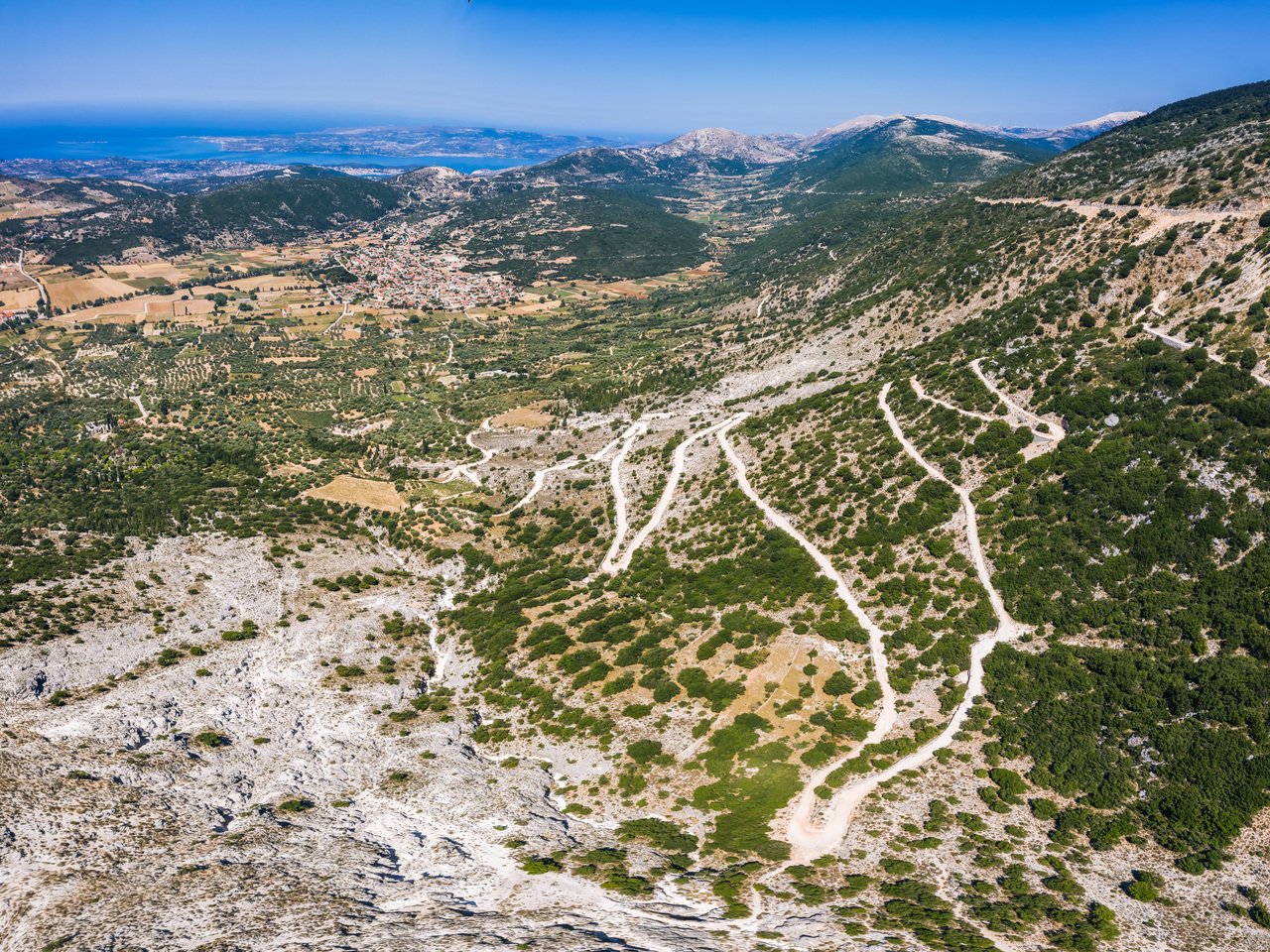
Behind the word "off-road" lies everyone's imagination. For some, it's mud, slopes, ruts, sliding and singles. For others, it's adventure, dust and the immensity of landscapes at the end of the world. Let's leave that to the experts of enduro or raid motorcycling, and turn our attention to a much more affordable form of off-roading: accessible off-roading that's neither extreme nor fantasy.
In reality, what we're talking about is leaving the asphalt behind to drive on a stabilized path, a wide track, a dirt or gravel road with a vehicle adapted to this type of terrain, but without the need for a specialized machine.
You don't need an enduro bike or rally-raid skills. All you need is a well-shod trail bike, the right equipment, a bit of riding flexibility and, above all, a desire to explore in a different way. It's less a technical challenge than a change of approach. You ride more slowly, you read the terrain, you anticipate more. And above all, you discover corners that no tarmac road would allow you to reach.
Why go off-road on a motorcycle?
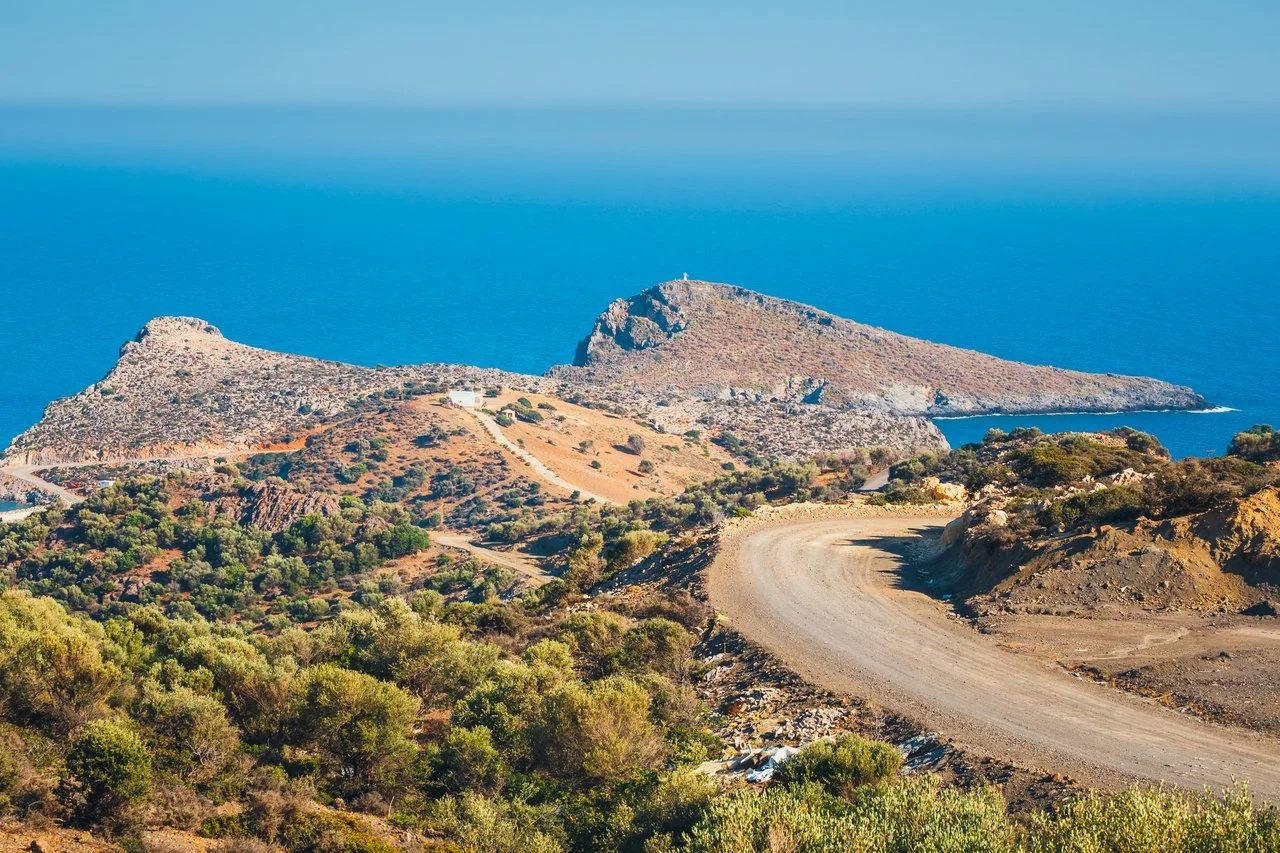
Riding on a track means riding differently. Not to go faster, but to go somewhere else. Where the road ends, classic maps become blurred, and landscapes take on a different density. The dirt track offers a new kind of immersion: the muffled sound of tires on dust, the song of insects, the heat rising from the dry earth.
It's also a slower, almost meditative rhythm. You concentrate on your trajectories, your position, the texture of the ground. And paradoxically, it's often more relaxing: you ride for less time, stop more often, and discover more intimate places, far from the crowds.
For motorcyclists accustomed to asphalt, it's a way of giving a new dimension to the journey. It's a way of reconnecting with the environment, and trusting yourself. Each trail crossed is a micro-victory, each panorama reached more deserved.
What you need to know before taking the plunge: our expert advice
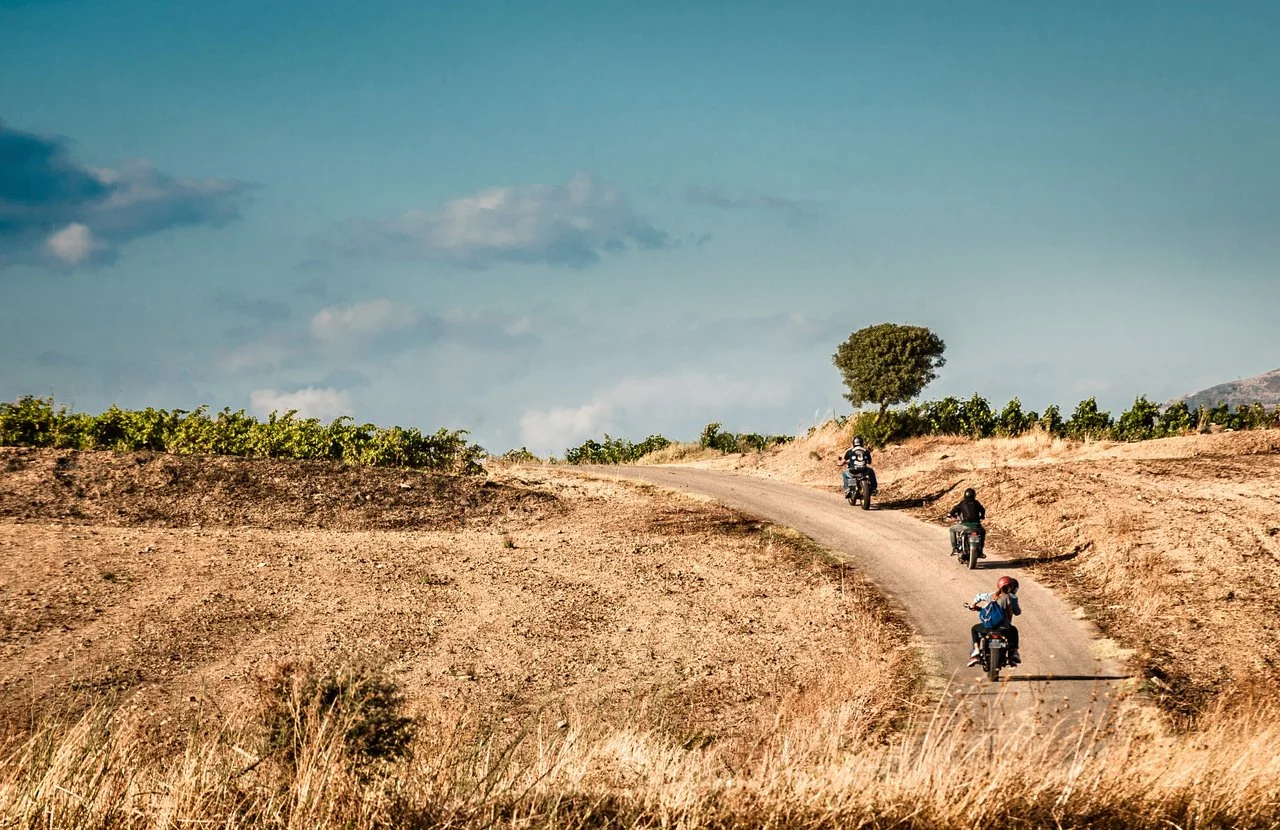
Accessible off-roading can't be improvised, but it doesn't require extensive training either. By incorporating a few simple principles, you can quickly gain confidence and enjoyment.
Adapting your pace and trajectories
On the track, speed is the enemy. It's all about consistency: a fluid pace, a far-away look and smooth trajectories. There's no need to try to "steer": the main thing is to keep the bike upright, let the suspension do its job, and remain flexible in your movements. The pace is important: too slow and you'll absorb all the shocks and not enjoy the ride; too fast and you'll lose control on unstable terrain. So you need pace, but also control.
Working on your position on the bike
Posture changes slightly. It's often useful to ride upright on the footrests, especially on rougher sections. This allows you to control the bike better, take the weight off the front, absorb shocks and gain control. You should always look far ahead: where you want to go, not where you want to put your wheels.
Anticipating grip and braking
Grip is naturally weaker than on asphalt, especially on gravel or dry earth. You need to brake earlier, primarily with the rear brake, and avoid hard braking at the front. Most of the time, you ride with the ABS and traction control disconnected. When cornering, keep a trickle of throttle, remain supple, and let the bike slide a little if need be, using downforce or even the gas pedal. What seems "unstable" at first quickly becomes natural.
Tire equipment and pressure
100% off-road tires are not mandatory. Trail-type mixed tires are more than sufficient for easy trails. It is, however, necessary to lower the pressure: no more than 2 bar in each tire on dry ground, and even a little less on greasy ground, to gain comfort and grip, especially if the bike is loaded. If the bike allows it, remember also to remove the rubber from the footrests and select an engine mode adapted to off-road riding.
When it comes to equipment, it's important to think in terms of flexibility and protection: flexible gloves, high boots with grippy soles, a lightweight, hard-wearing jacket with built-in protection. A backpack, with a water pocket for hydration, will allow you to take along a few tools, a roll of American tape and hose clamps to prevent minor breakages in the event of a fall.
Accessible off-roading The best Hellenic Rides destinations
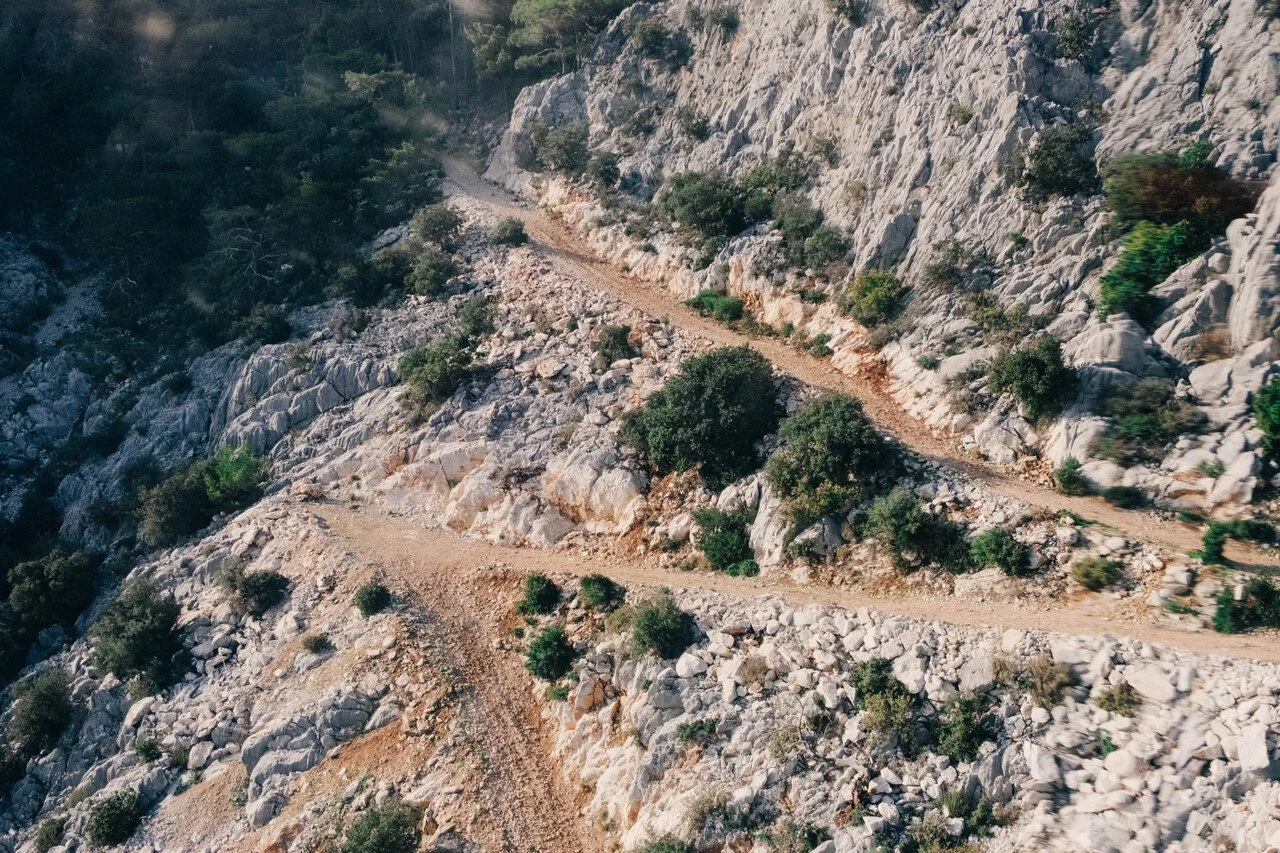
The destinations offered by Hellenic Rides are perfect for beginners, or for those who haven't ridden for a long time. No extreme singles or crossings for enduro riders, but well-designed, little-traveled trails that fit into the overall rhythm of the road trip.
Crete
This is undoubtedly the easiest destination for beginners. Mountain roads regularly give way to white trails that lead to isolated beaches, chapels or suspended villages. The terrain is dry and relatively stable, with very little mud but portions of pebbles alternating with dirt. The distances are short, the scenery splendid, and the traffic almost non-existent on these secondary roads.
Inner Montenegro
In Durmitor Nature Park, there are many forest roads and connecting tracks used by the locals. They are ideal for alternating between asphalt and light off-road. Montenegro's mountainous scenery is impressive, but the trails are still rolling. It's the perfect place to test your posture on changing terrain, in a grandiose setting.
Albania (rural areas)
Albania is one of the few European countries where tarmac is the exception, apart from the main roads. There are plenty of rolling trails, often well-maintained, through stunningly beautiful rural areas. The welcome is warm, the atmosphere authentic, and the sense of adventure permanent.
Peloponnese and Epirus (mainland Greece)
The Greek hinterland is full of unpaved farm roads, serving isolated monasteries, forgotten belvederes and hilltop hamlets. These are quiet tracks, suitable for any trail, and perfect for alternating the pleasure of asphalt with that of exploration.
Why do you need supervision when you're just starting out in off-roaD?
When you start off-roading in a safe environment, you gain peace of mind right from the start. At Hellenic Rides, we include accessible, no-obligation off-road sections in our tours. These are identified, tested and included in a clear roadbook, and can be bypassed at any time.
This means that everyone can try out the experience at their own pace, with the benefit of advice, reference points and logistical support if necessary. You can ride alone, but not in isolation. Our itineraries are designed to offer a variety of pleasures, without forcing your hand.
This makes off-roading an option, not an obligation. But once you've had a taste of it, you're likely to come back for more.
Your off-road motorcycle tour with Hellenic Rides
Off-road motorcycling is not an elitist discipline. It's a natural extension of travel, a way of opening yourself up to other roads and other sensations. By learning to manage your pace, adjust your posture and read the terrain, you gain a new freedom.
With the right destinations, the right bike and a reassuring setting, even a biker with little off-road experience can enjoy a confident off-road adventure. And discover that sometimes, it's not the road that changes, but the way you look at it.
Find out more about our tours designed specifically for off-roading, and don't hesitate to contact us to discuss your requirements!